
Visitor Visa UK 2026: Refusal Risks & How to Apply Right
If you are planning a trip to the UK and worried your visitor visa might be refused, you are in the right place. Whether you want to see family, attend a business meeting, receive medical treatment or simply travel, the rules can feel opaque, and a refusal can be upsetting and costly. This guide explains, in plain English, how the Standard Visitor route works, what the Home Office is really looking for, and how to give your application the best possible chance.
Key takeaways
- Most people entering the UK for tourism, family visits or short business trips apply under the Standard Visitor route, usually for up to six months.
- The single biggest issue is the genuine visitor test: you must show you will leave the UK at the end of your visit and that you can support yourself.
- Refusals often turn on weak evidence of finances, ties to your home country, or unclear reasons for the trip, not on your nationality alone.
- There is usually no full right of appeal for a standard visitor refusal, so getting the application right first time matters.
- Always check current fees, forms and guidance on GOV.UK before applying, and seek advice if your circumstances are complex.
What the UK visitor visa actually covers
The Standard Visitor visa is the main route for short stays. It brings together what used to be several separate categories, so it covers a surprising range of purposes under one application.
You can normally use it to:
- Visit family or friends, or come as a tourist.
- Carry out permitted business activities, such as meetings, conferences or negotiations.
- Receive private medical treatment.
- Take part in certain short courses, events or specific paid engagements where the rules allow.
Most visits are granted for up to six months. Some people qualify for a long-term visit visa valid for two, five or ten years, though each individual stay is still limited. Importantly, a visitor visa is not a route to work or settle. You cannot take employment, run a business day to day, or rely on public funds.
Nationals of many countries need to apply for entry clearance before they travel. Others may be “non-visa nationals” who still, in many cases, need an Electronic Travel Authorisation (ETA) before arrival. Rules on ETA have been expanding, so check your nationality’s position on GOV.UK before you book.
The genuine visitor test: what the Home Office really wants to see
At the heart of every visitor application sits one question. Are you a genuine visitor who intends to leave the UK at the end of the trip? Caseworkers assess this on the balance of probabilities, weighing everything you provide.
To satisfy this test, you generally need to show that you:
- Genuinely intend to visit for a permitted purpose.
- Will leave the UK when your visit ends.
- Will not live in the UK through frequent or successive visits, or make it your main home.
- Can support and accommodate yourself, or will be supported by someone else, without working or accessing public funds.
- Can meet the reasonable cost of your return or onward journey.
None of these points is decided by a single document. Caseworkers look at the whole picture, including your circumstances at home, your travel history and how credible your stated plans appear.
Do I qualify? Assessing your ties and intentions
Many applicants worry they will be refused simply because of where they are from. That is not how the test works. What matters is whether your personal circumstances point towards a genuine, temporary visit.
Strong applications usually demonstrate meaningful ties to your home country. These are the reasons you have to return. Employment, a business, property, studies, dependent family members and ongoing financial commitments can all help paint that picture.
Your immigration history also carries weight. Previous visits to the UK or other countries where you complied with the rules and returned home on time can strengthen your case considerably. A clean record reassures the caseworker that you do what you say you will.
By contrast, if you have few obvious reasons to go back, or a history of overstaying, the Home Office may be less easily persuaded. That does not mean an application is impossible; it means the evidence needs to work harder.
Evidence: how to build a convincing application
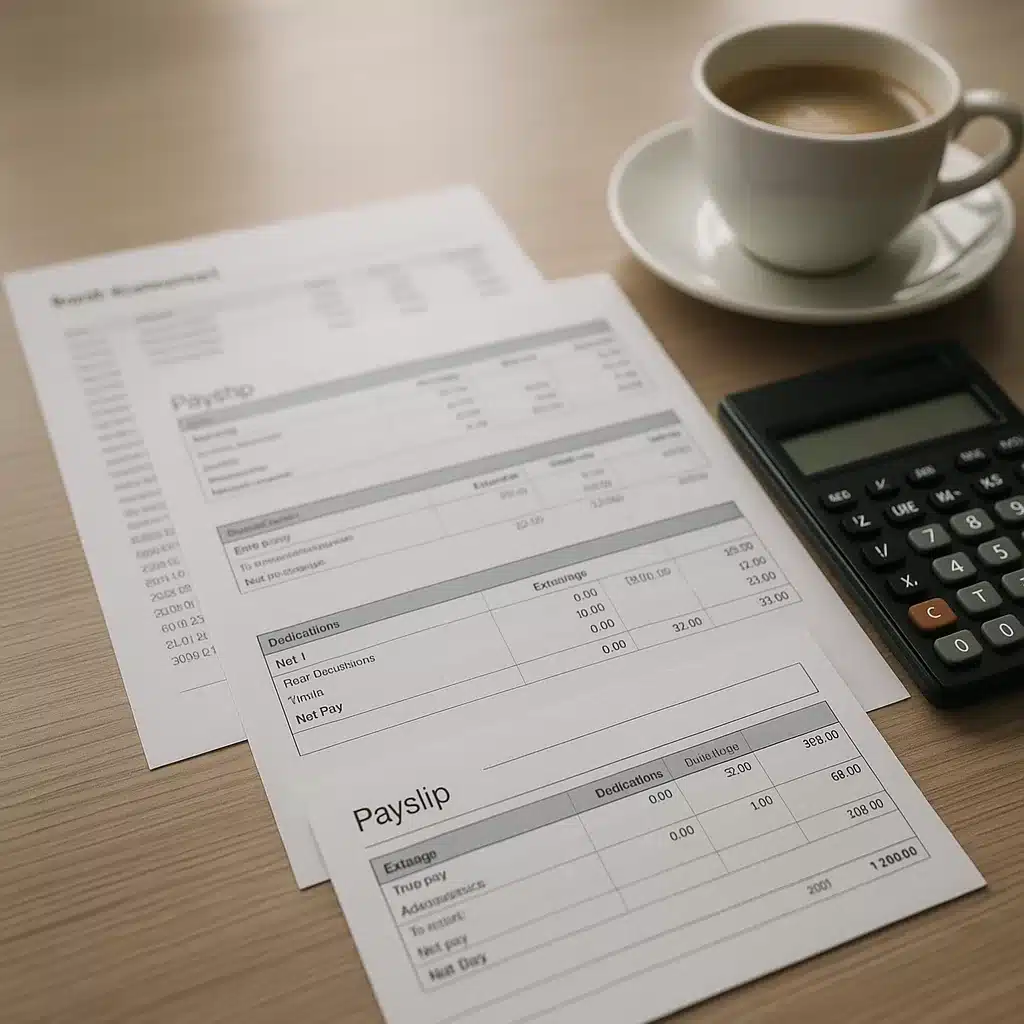
Good evidence is what turns a plausible story into a credible one. There is no fixed checklist that guarantees success, but certain documents commonly help. Tailor them to your own situation rather than sending everything imaginable.
Financial evidence usually matters most. Bank statements covering several recent months can show a settled, genuine source of funds rather than a sudden unexplained deposit. Payslips, business accounts or evidence of savings support this. If someone else is funding or hosting you, their financial documents and a letter of invitation can help.
For the purpose of your trip, provide clear supporting material. That might include:
- A short covering letter explaining who you are, why you are visiting and when you will return.
- Proof of accommodation, such as hotel bookings or a host’s address.
- Details of your travel plans and return arrangements.
- For business trips, an invitation from the UK company and confirmation of your role abroad.
- For medical visits, evidence from the clinic and confirmation you can pay.
Consistency is vital. Dates, amounts and explanations should line up across your form, documents and covering letter. Small contradictions can raise doubts even where the underlying facts are innocent.
Common reasons UK visitor visas are refused
Understanding why refusals happen helps you avoid the same traps. In practice, decisions often turn on a handful of recurring themes.
- Insufficient or unclear finances. Balances that suddenly appear, unexplained large deposits, or funds that do not match your stated income can all trigger doubt.
- Weak ties to your home country. If the caseworker is not persuaded you will return, the genuine visitor test is not met.
- Vague or inconsistent travel plans. A trip with no clear purpose, itinerary or accommodation invites scepticism.
- Contradictions in the evidence. Mismatched dates, amounts or explanations undermine credibility.
- Immigration history concerns. Past overstaying, previous refusals or breaches can weigh heavily.
- Suitability issues. Criminality, deception or previous adverse immigration decisions may lead to refusal on general grounds.
Deception is treated very seriously. Providing false documents or misleading information can lead not only to refusal but to a long-term ban from the UK. If part of your history is difficult, honesty combined with a careful explanation is almost always the safer path.
What if my evidence is weak, missing or inconsistent?
Real lives are rarely tidy. Perhaps your income is informal, your savings are recent, or a family emergency means you must travel quickly. None of this automatically defeats an application, but it does need to be handled thoughtfully.
Where evidence is thin, explain the context clearly rather than leaving gaps for the caseworker to interpret. A short, honest account of an unusual deposit or an urgent trip can prevent an innocent fact from looking suspicious.
Where documents are missing, consider what alternatives exist. A sponsor’s statements, a letter from an employer, or evidence of assets can sometimes fill the gap. If information is inconsistent because of a genuine error, correct it and address it head on.
If you made a mistake in a previous application, that does not necessarily bar a fresh one. It does mean the next application should acknowledge and explain the earlier problem, so the Home Office is not left guessing.
Refused already? Your options explained
A visitor visa refusal is disappointing, but it is not always the end of the road. Your options depend on why you were refused and the type of decision made.
For most Standard Visitor refusals, there is no full right of appeal and typically no administrative review. In practice, this often means the most realistic step is to reapply with a stronger, better-evidenced application that directly answers the reasons given in the refusal notice.
Before reapplying, read the refusal letter closely. It should set out the specific concerns. Address each one with clear evidence and explanation rather than simply resubmitting the same materials.
In limited situations, a decision may be challengeable by judicial review if it was unlawful, irrational or procedurally unfair. That is a specialist route with strict time limits, and it is not a substitute for a merits appeal. If you believe your refusal was legally flawed, take advice quickly, because delay can affect your options.
Where a refusal raises human rights issues, different appeal rights may apply. Whether that is the case depends entirely on the facts, so it is worth checking your specific position.
Practical next steps before you apply
A little preparation goes a long way. Before you submit, take a moment to work through the essentials so nothing is left to chance.
- Confirm the correct route and whether you need entry clearance or an ETA for your nationality.
- Check current fees, the correct online form and the latest guidance on GOV.UK.
- Gather financial documents covering several recent months and explain anything unusual.
- Prepare a concise covering letter setting out your purpose, plans and reasons to return.
- Cross-check every date, figure and detail for consistency across your documents.
- Keep copies of everything you submit.
Applying too close to your travel date is a frequent source of stress. Give yourself a comfortable buffer, as processing times can vary.
Is legal advice worth it?
For a straightforward tourist trip with strong finances and a clean history, many people apply successfully without help. Complexity is what changes the calculation.
Advice can be genuinely valuable if you have had a previous refusal, an adverse immigration history, criminal matters, complicated finances, or an unusual purpose for travel. It can also help where the stakes are high, such as a critical business meeting or a family emergency.
A lawyer cannot guarantee an outcome, and anyone who promises a visa should be treated with caution. What good advice does is help you present your case clearly, anticipate the caseworker’s concerns and reduce avoidable risk.
If you are unsure where you stand, a focused consultation can give you clarity before you spend time and money on an application.
Frequently asked questions
Will my visitor visa be refused because of my nationality?
No. Refusals are based on your individual circumstances, evidence and credibility, not your nationality alone. The Home Office assesses whether you are a genuine visitor who will leave the UK and can support yourself during the trip.
How much money do I need in my bank account?
There is no fixed minimum figure for a Standard Visitor. You must show you can reasonably cover your trip and return travel without working or using public funds. Stable funds shown over several months are usually more persuasive than a sudden large deposit.
Can I appeal a visitor visa refusal?
In most cases there is no full right of appeal or administrative review for a Standard Visitor refusal. Many applicants reapply with stronger evidence addressing the reasons given. Where a decision is unlawful or raises human rights issues, other challenges may be possible, so take advice.
I was refused before. Can I apply again?
Yes. A previous refusal does not automatically bar a new application. Read the refusal notice carefully and address each concern with clear evidence and explanation, rather than resubmitting the same materials unchanged.
What happens if my evidence is incomplete or I made a mistake?
Explain the situation honestly and provide any alternative evidence you can. Genuine errors are best corrected and addressed directly. Providing false information or documents is treated very seriously and can lead to a long-term ban, so honesty is always the safer approach.
How long before travel should I apply?
Apply well in advance, as processing times vary and last-minute applications add avoidable risk. Check current guidance on GOV.UK, and if your trip is urgent or your circumstances are complex, seek advice early.
This article is general information only and is not legal advice. UK immigration rules, fees and guidance change frequently, and every case turns on its own facts. For advice tailored to your situation, please contact ukimmigration.law to arrange a consultation.
Last legally reviewed by Adam Sierant on 17 June 2025.